More Than a Photo: The Lighting, Sets, and Inspiration Behind Our Intimate Portraits
Light, Mood, and the Art of the Intimate Portrait at Nopa Nopa Studio
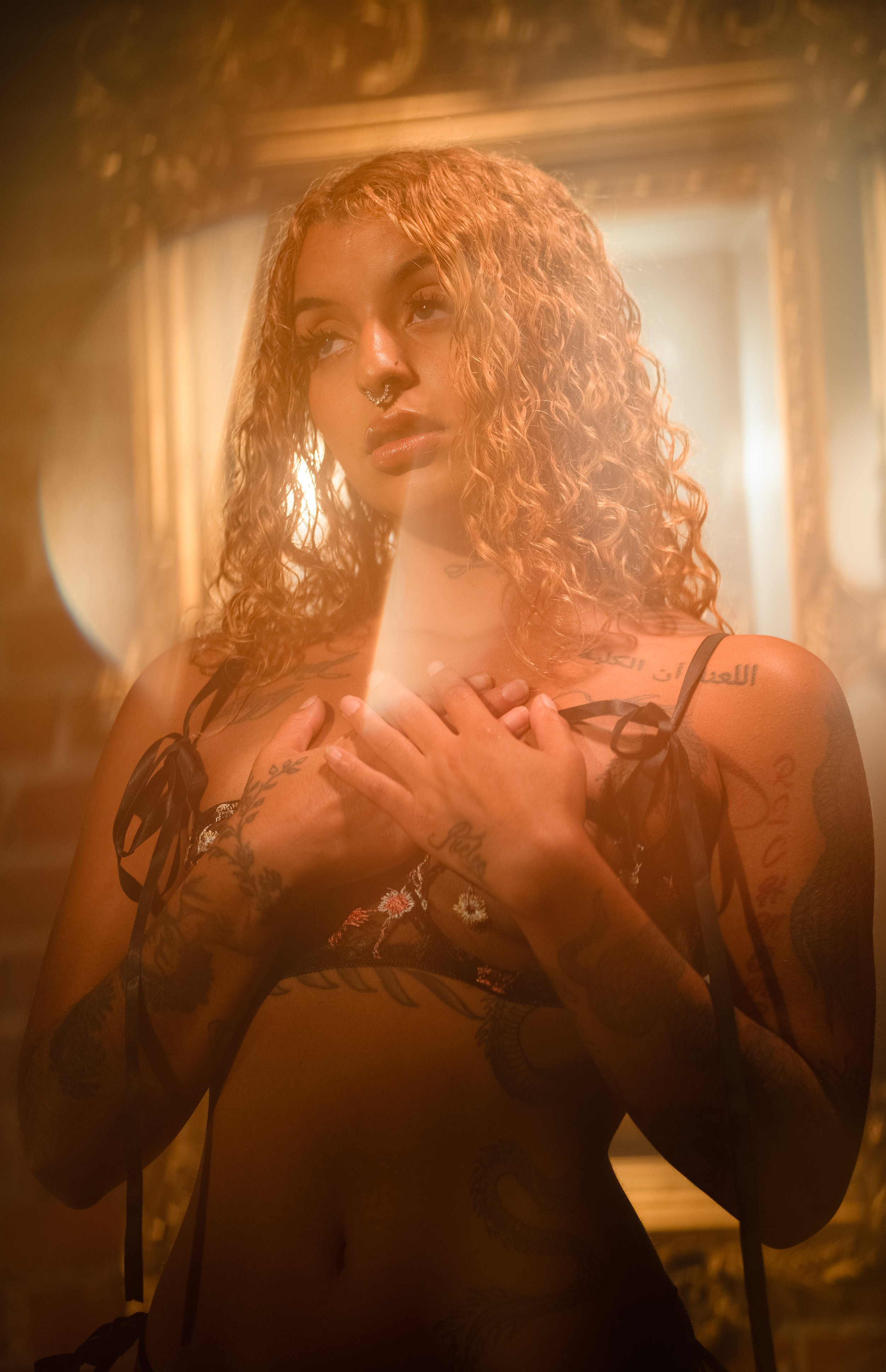
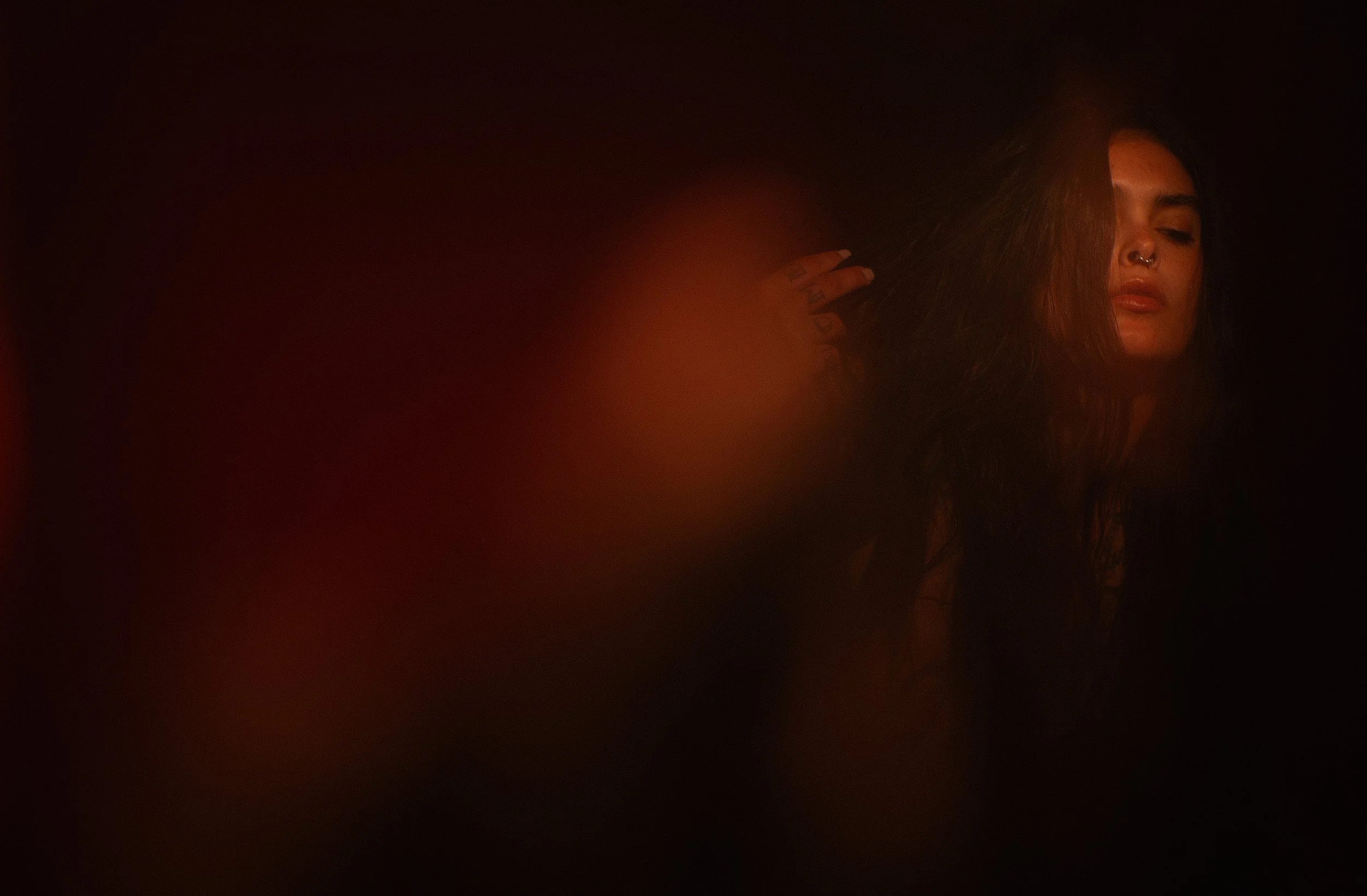
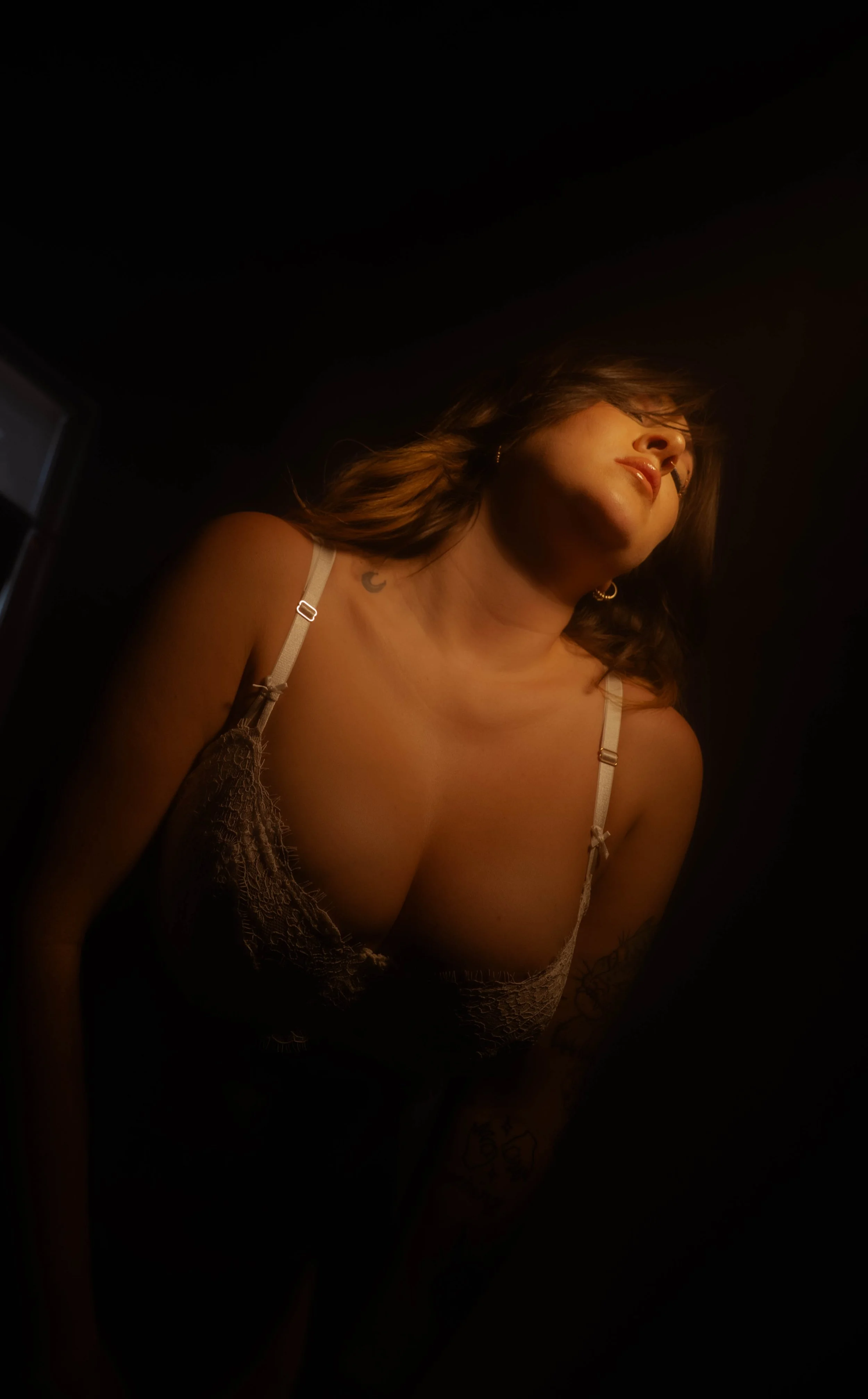
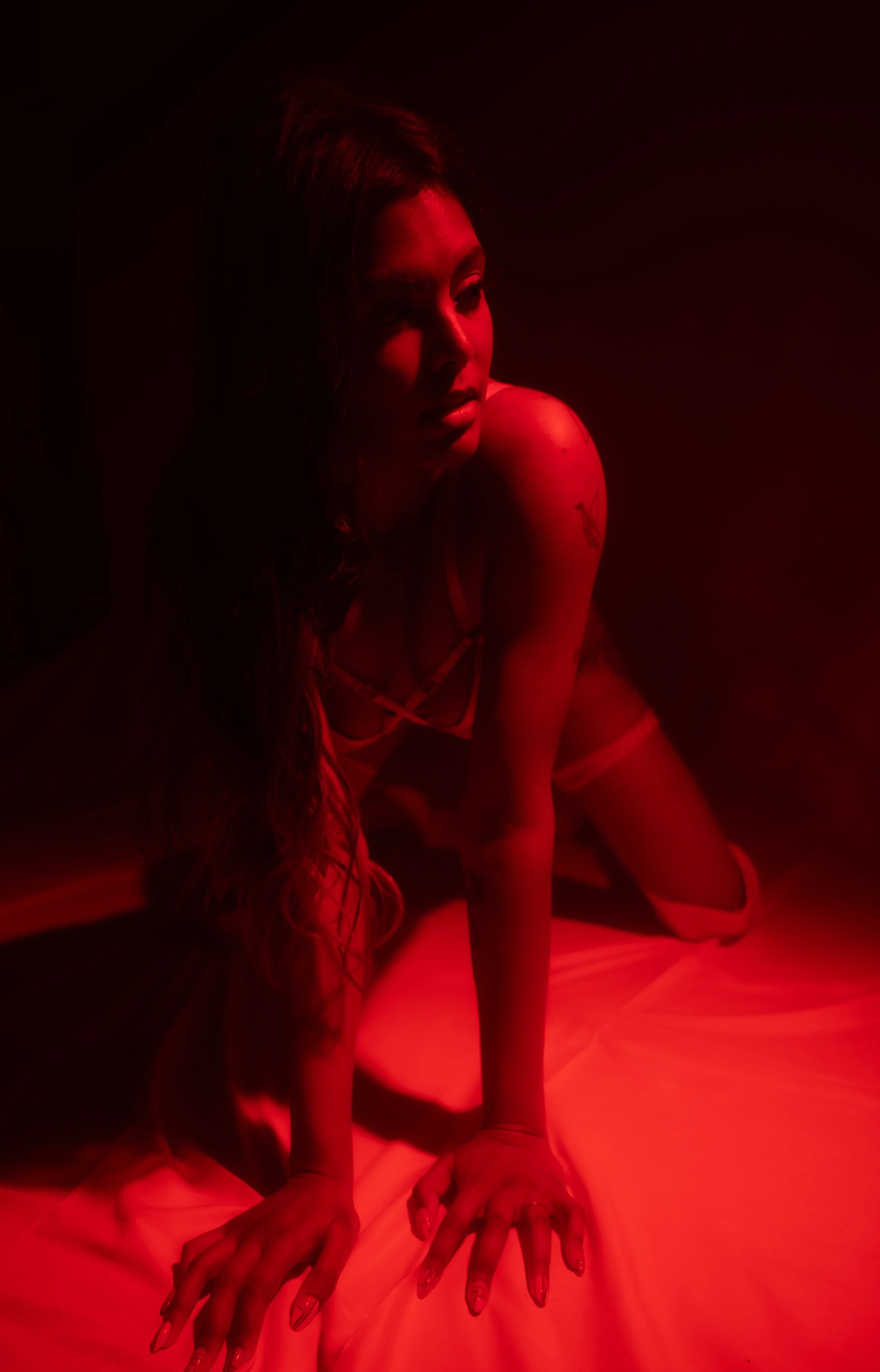
There's a reason some of the most memorable photographs you've ever seen don't show everything. Mystery has a way of doing more work than exposure ever could — and honestly? That's kind of the whole thing. At Nopa Nopa Studio, a lot of our intimate portrait work leans into moody, dramatic lighting — not because it's a trend, but because shadow is genuinely one of the most powerful tools in the frame. A subject partially lit, a face half-disappeared into darkness, a body suggested rather than fully revealed — that's not withholding, eso es composición. That's tension. And tension, done right, is a lot sexier than anything you could get from just blasting the lights all the way up.
There's a certain magic in the mystery of it. The image that makes you look twice, then a third time, trying to find everything hiding in the dark. That's the shot we're after.
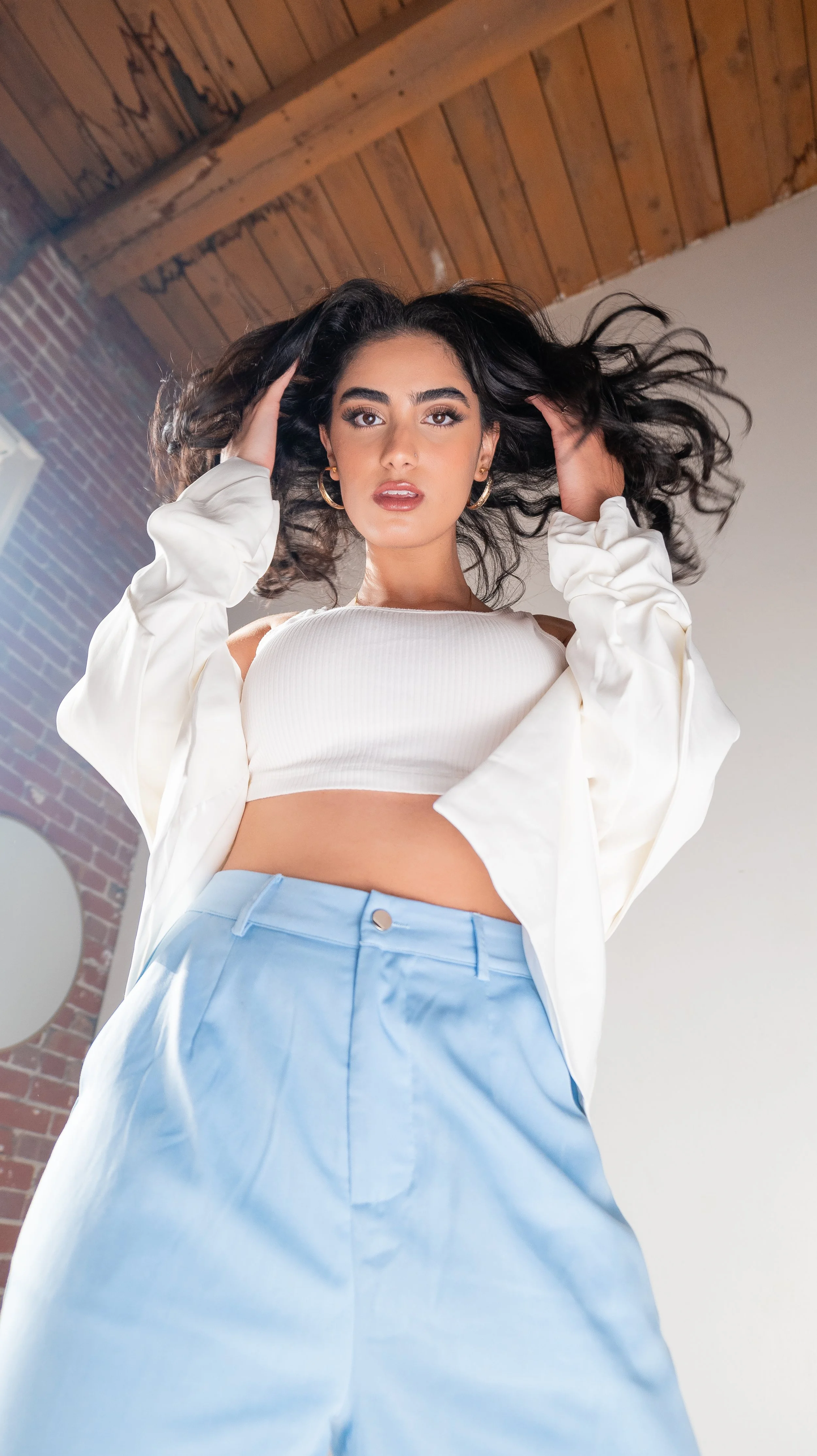
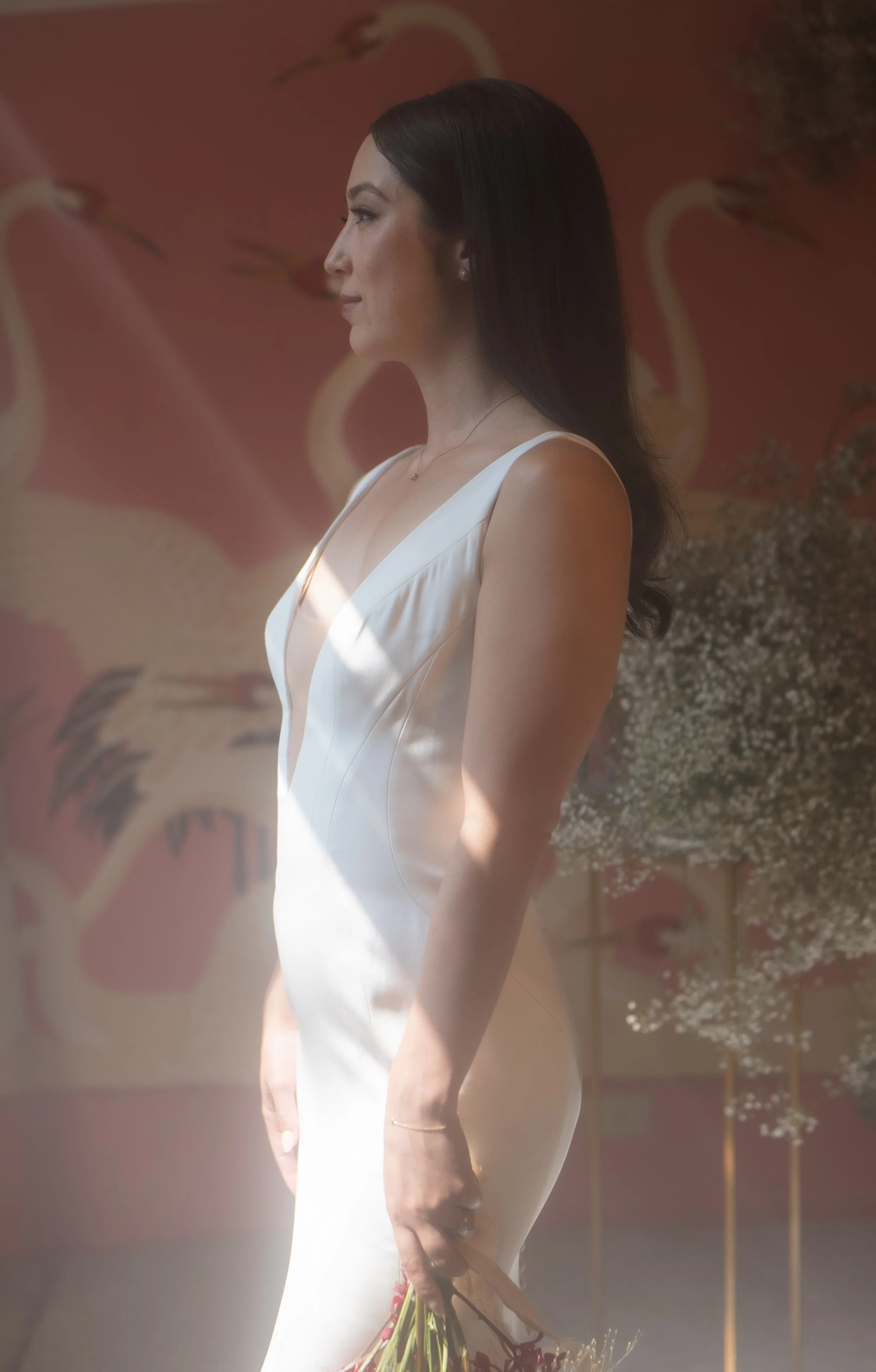
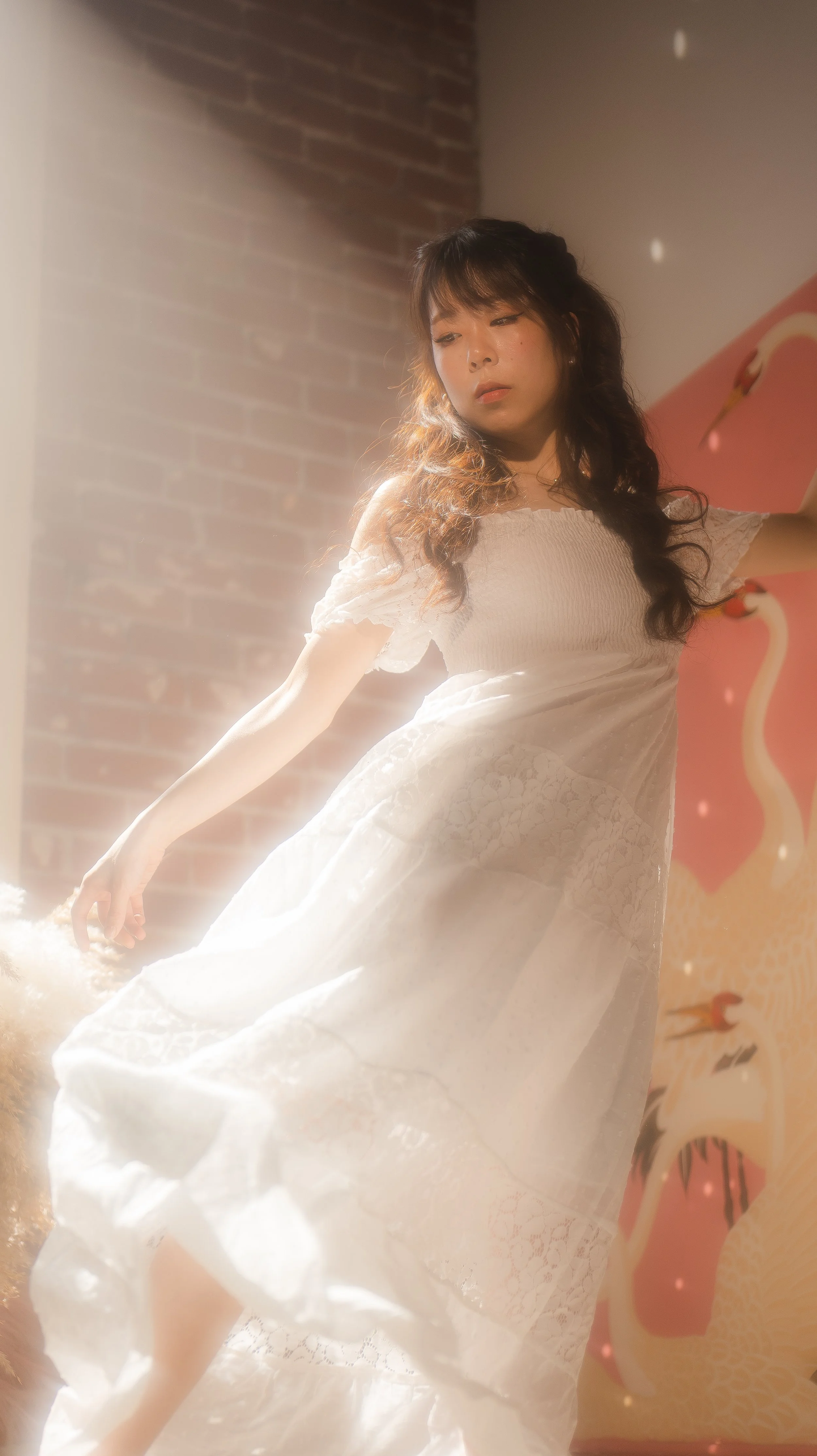
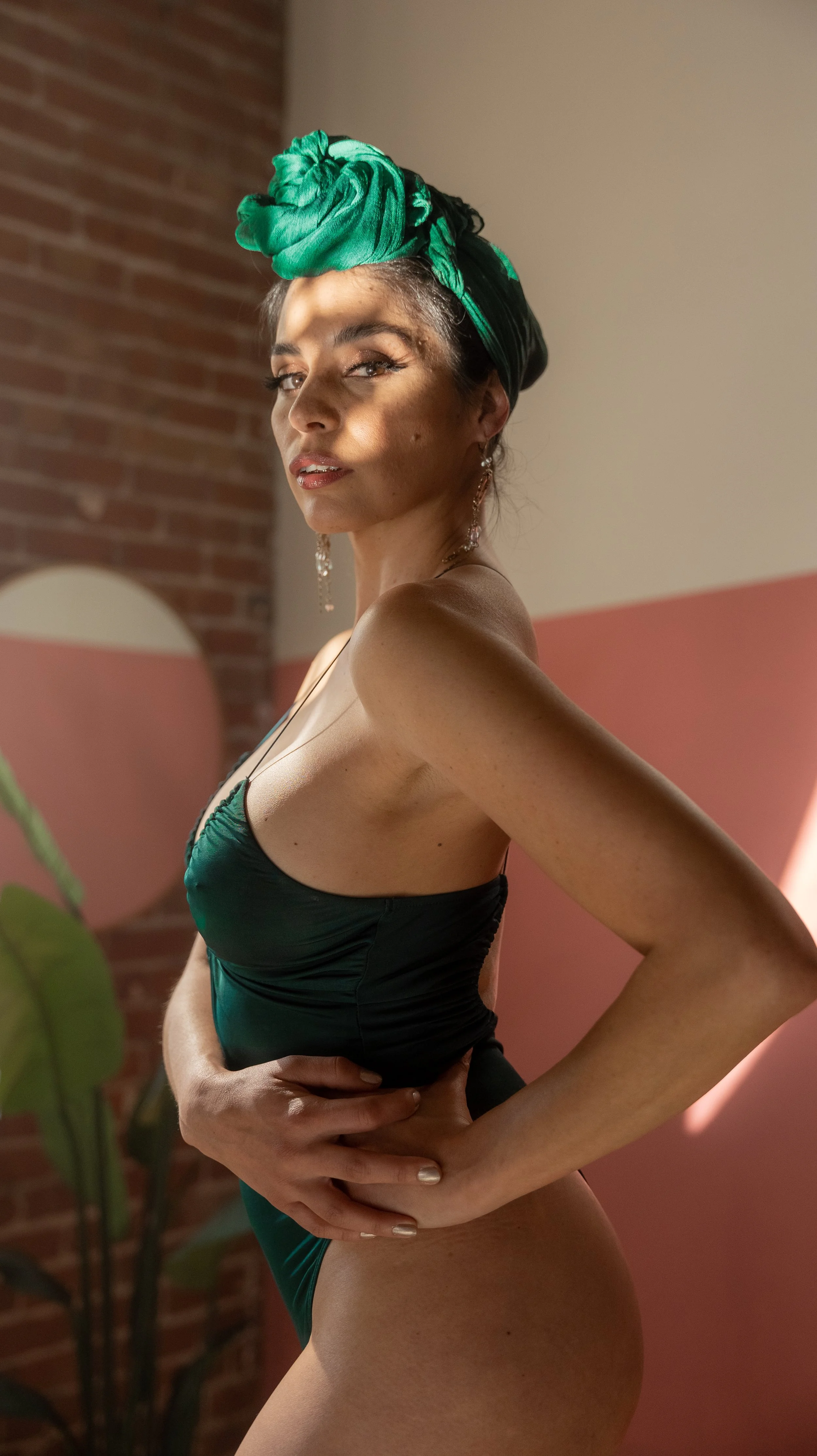
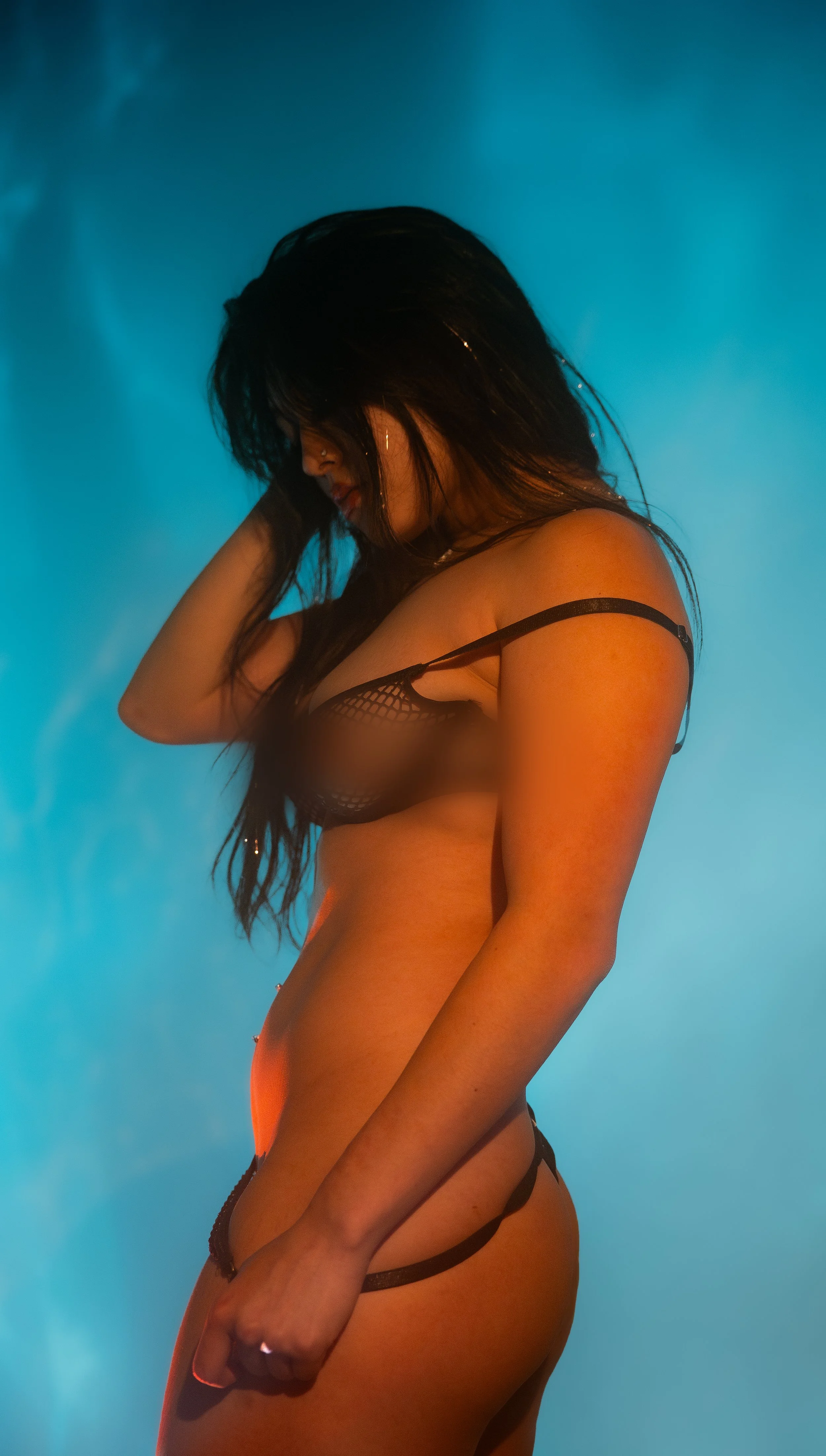
That said, not every client walks in wanting moody. And we're not a one-trick studio, para nada. We also work a lot with natural light, which does something artificial setups can rarely replicate — it makes people look like themselves. There's a softness to a window-lit portrait, a lived-in quality that feels honest rather than constructed. Both approaches are valid. The key is reading what the session and the person actually need — and then delivering something that makes them go "ay, qué bonita” or “OMG, I’m so beautiful!”
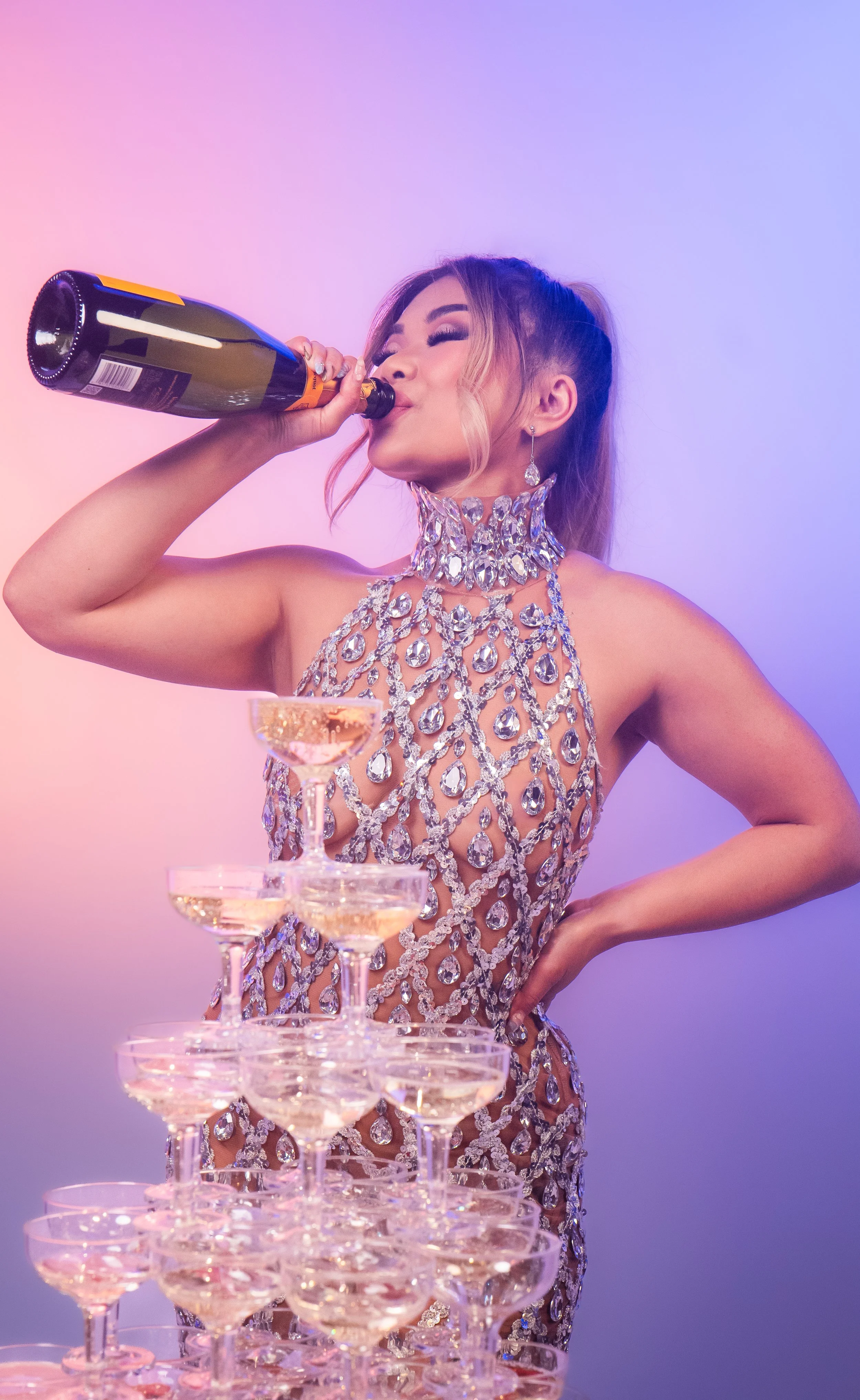
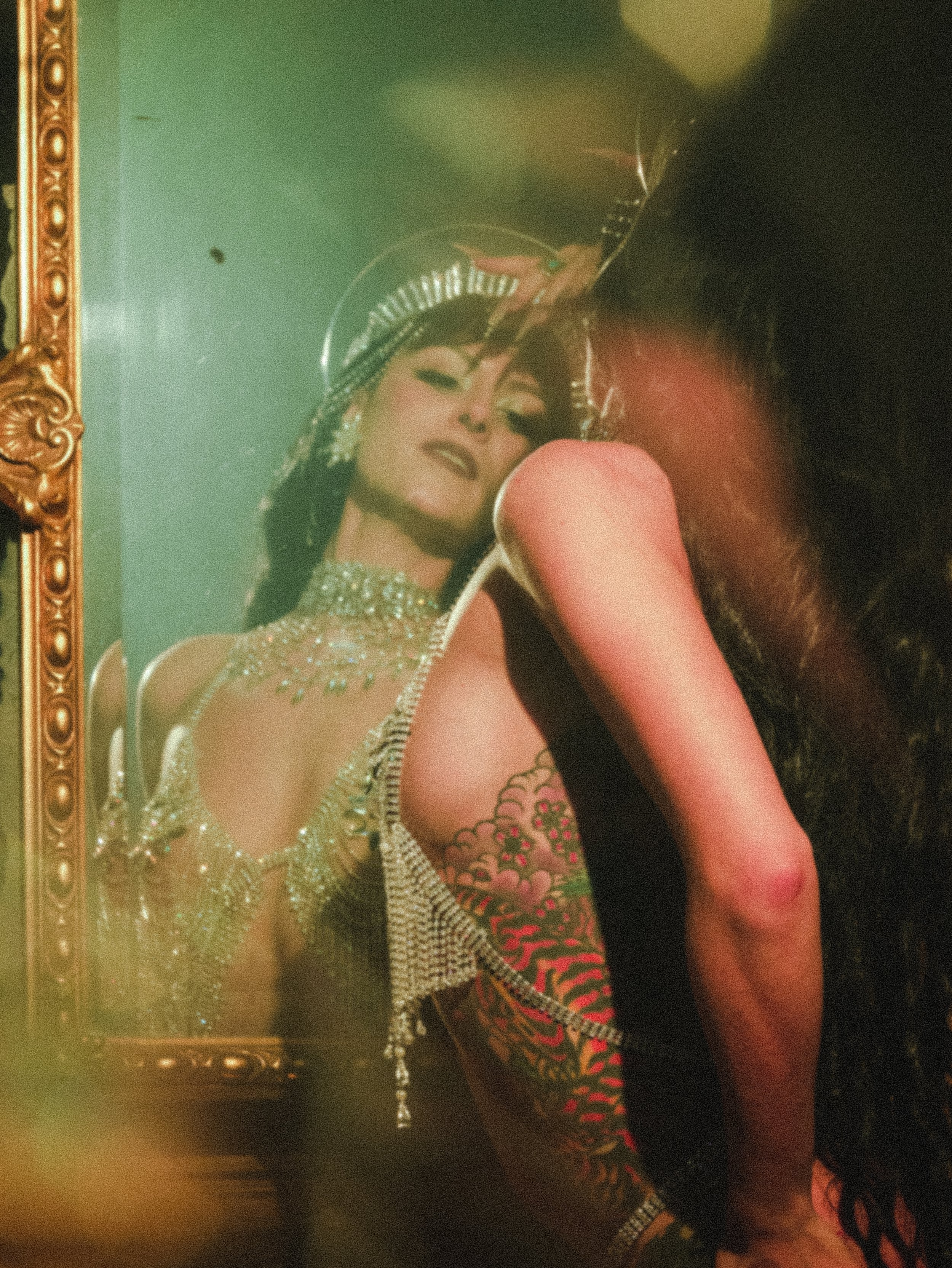
My own visual references go deep. Caravaggio is the obvious one — nobody has ever used shadow with more intention, and studying his work is basically a masterclass in how to make light feel like a plot device. Edward Hopper showed me stillness and melancholy, how negative space in a frame can carry emotional weight without saying a single word. More recently I've been drawing from Berthe Morisot — her softness, her color sensibility, the way her portraits feel like a private moment rather than a performance. Bien suave, honestly. I'm always chasing something between those worlds: sometimes soft and warm, sometimes high contrast with colors that feel like they're fighting for your attention and winning.
Then there's Ro's side of it — and this is where things get really buena. While I'm locked in on the light, she's pulling from a completely different archive: Architectural Digest, antique shops, furniture with history and character. That's not a small detail. A great set doesn't just give an image context — it gives the subject something to inhabit. An ornate chair, a worn leather couch, a piece with real texture and age — these things photograph with a richness that modern flat-pack furniture just can't touch. We've found that even when the light and the composition are exactly where we want them, the right set piece can be what pushes a good photo into something you actually want to hang on a wall. Something that feels like arte, not just a picture.
We're always exploring nuevas ideas. That's less of a philosophy and more of a survival instinct — the moment you stop looking at new things, you start repeating yourself. And repeating yourself is the fastest way to get aburrido. So we keep moving, keep pulling from different worlds, keep looking for the next thing that makes us go "wait, we have to try that."